
Expert Picks for Travertine Paver Installation and Maintenance Supplies
Explore top-rated products designed to simplify your travertine paver projects and enhance the longevity of your outdoor surfaces.
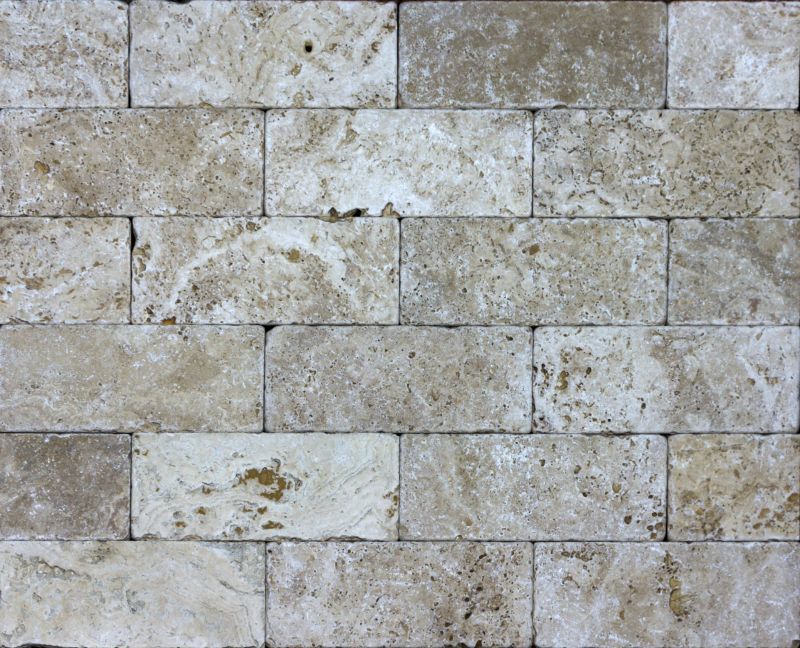 Installing and repairing travertine pavers requires a careful selection of products that ensure durability, proper adhesion, and a seamless finish. Whether you're laying new paving or restoring existing surfaces, the right tools and materials can make a significant difference in the outcome. From foundational base materials to finishing sealants, each product plays a vital role in achieving a professional-looking result. It's important to understand the function of each component in the installation or repair process to select compatible and reliable products.
Top Overall Option
Universal Paver Installation and Repair Kit
A comprehensive kit that includes various adhesives, joint fillers, sealants, and tools designed for versatile use in travertine paver projects. This all-in-one solution offers compatibility with different installation and repair needs, making it suitable for both DIY enthusiasts and professionals. Its variety of components helps ensure proper adhesion, surface finishing, and long-term durability, simplifying the process of achieving a professional appearance.
Types of Products For Travertine Paver Installation And Repairs
Polymeric Sand
Used to fill joints between pavers, providing stability and reducing weed growth, while allowing for drainage.
Polyurethane Adhesive
A flexible adhesive suitable for bonding travertine pavers to various surfaces with strong adhesion.
Mortar Mix
A specialized mortar for setting pavers securely onto prepared bases, ensuring stability.
Sealant Spray
A penetrating or surface sealant used to protect travertine from stains and weathering.
Grout for Stone
A high-quality grout designed specifically for natural stone pavers, offering good adhesion and color retention.
Crack Filler
A flexible filler to repair cracks and prevent further damage in travertine surfaces.
Leveling Compound
Used to correct uneven surfaces before paver installation or repair.
Edge Restraints
Support and contain pavers, maintaining their shape and preventing shifting over time.
Cleaning Solution
Specialized cleaners formulated to remove dirt, stains, and efflorescence from travertine surfaces.
Bonding Primer
Prepares surfaces for better adhesion of sealants or adhesives, ensuring a longer-lasting bond.
Joint Stabilizer
A product that helps maintain joint integrity and prevents erosion over time.
Sand Blaster
A tool or abrasive used for surface cleaning or preparing pavers for repairs.
Vapor Barrier
A layer used beneath pavers to prevent moisture penetration and protect the base.
Polymer-Modified Mortar
Enhanced mortar with polymers for improved flexibility and adhesion in paver installation.
Resin-Based Repair Compound
A durable resin used for filling larger cracks or damaged areas in travertine.
Mortar Color Additive
Allows customization of mortar color to match existing pavers or achieve desired aesthetic effects.
Popular Choices
Widely used for joint filling, offering stability and reducing weed growth between pavers.
Designed for natural stone pavers, providing good adhesion and color retention.
Popular for protecting travertine from stains and weathering, enhancing longevity.
Often chosen for bonding pavers, especially in areas prone to movement or shifting.
A common choice for fixing small cracks and preventing further damage.
Used frequently to prepare uneven surfaces for paver installation.
Popular for maintaining paver shape and preventing shifting over time.
Often used to restore surface appearance and remove stains or efflorescence.
Commonly applied to improve adhesion of sealants or repair compounds.
Popular for maintaining joint integrity and preventing erosion.
When installing travertine pavers, a stable base is crucial. This typically involves compacting a layer of gravel or crushed stone, followed by a layer of sand or mortar to create a level surface. The choice of joint fillers and sealants also impacts the longevity and appearance of the paved surface. For repairs, matching the existing materials and ensuring proper adhesion are key factors. Using high-quality adhesives and grout can help restore the integrity of the paver surface while maintaining aesthetic consistency.
Maintenance and repair products such as crack fillers, joint stabilizers, and cleaning solutions are essential for prolonging the lifespan of travertine pavers. Proper sealing can protect against stains and weathering, but selecting the right sealant requires understanding the specific needs of travertine stone. Overall, investing in the right set of products can facilitate a smoother installation or repair process and result in a durable, attractive surface that enhances outdoor spaces.
Key Buying Considerations
- Compatibility with travertine stone to prevent damage or staining.
- Ease of application suited to your skill level and project scope.
- Durability and weather resistance for outdoor use.
- Adhesion strength to ensure long-lasting bonds.
- Flexibility of repair products to accommodate slight movement or shifting.
- Color options or compatibility for aesthetic consistency.
- Compatibility with existing materials if performing repairs.
- Application time and drying/curing periods to fit project timelines.
- Ease of cleaning tools and surfaces after application.
- Product safety and handling instructions to ensure safe use.
- Availability of matching or complementary products for comprehensive projects.
- Cost-effectiveness relative to project size and quality expectations.
- Brand reputation and customer reviews for reliability.
- Sealing and maintenance requirements post-installation.
- Environmental conditions of the installation site that may influence product choice.